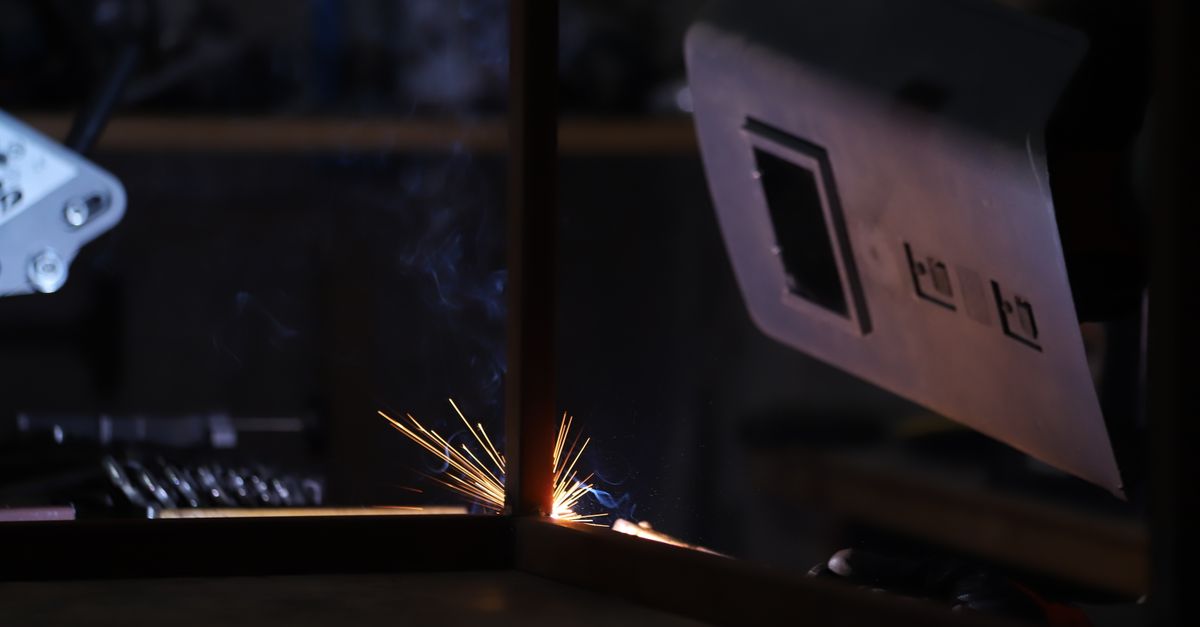
The Future of Metal Fabrication in Western Australia's Mining Landscape
Table Of Contents
Challenges Facing Metal Fabrication
The metal fabrication industry in Western Australia faces various challenges that hinder its growth and efficiency. One significant issue is the fluctuating demand for metal components from the mining sector. As market conditions change, fabrication companies often struggle to align their production capacities with these demands, leading to potential bottlenecks in delivery and increased operational costs. Additionally, a shortage of skilled labour has emerged as a pressing concern. Many companies are finding it difficult to source workers who possess the necessary skills and training required for modern fabrication techniques, which can slow down production times and impact overall project timelines.
Supply chain disruptions further exacerbate the challenges encountered by the metal fabrication sector. Global events and geopolitical tensions can result in delays for imported materials and equipment, which subsequently affects the ability to meet project deadlines. Local suppliers are sometimes unable to provide the necessary materials in a timely manner, leading to increased reliance on international sources that may be subject to tariffs or shipping uncertainties. These factors not only raise costs but also complicate project planning for fabrication companies, as unforeseen delays can lead to cascading effects down the supply chain.
Supply Chain Issues and Material Shortages
The mining sector in Western Australia has faced significant hurdles in recent years, particularly in the realm of metal fabrication. Supply chain disruptions stemming from global events have led to delays in the availability of essential materials. Fluctuating demand has compounded these issues, causing manufacturers to grapple with inconsistent stock levels and increased lead times. As a consequence, the pressure on local fabricators to source materials reliably and cost-effectively has intensified.
Material shortages have pushed companies to re-evaluate their procurement strategies. Many are now considering alternative sources for raw materials or looking into local suppliers to mitigate risks associated with overseas shipping. This shift not only aims to ensure a steady flow of essential materials but also promotes sustainability within the industry. Emphasising local supply chains may bolster the resilience of metal fabrication operations in Western Australia, helping them to navigate the complexities of an evolving global market.
The Role of Research and Development
Investment in research and development plays a crucial role in enhancing the metal fabrication industry, particularly within Western Australia’s mining sector. Innovations in processes and techniques can lead to improved efficiency and reduced costs. Industry stakeholders recognise the importance of staying ahead of global competitors by integrating cutting-edge technology into their operations. Moreover, advancements in automation and robotics are expected to streamline production lines, addressing labour shortages and operational disruptions.
Collaborations between industry players and academic institutions have proven beneficial in fostering innovation. These partnerships facilitate knowledge exchange and contribute to the development of new materials that can withstand the demanding conditions in mining environments. Research initiatives are often tailored to address specific challenges faced by the sector, encouraging practical solutions that can be rapidly implemented. This synergy not only advances metal fabrication but also supports the broader economic growth of the region by positioning it as a leader in technological advancements and sustainable practices.
Collaborations Between Industry and Academia
In Western Australia, initiatives that bridge the gap between industry and academia are becoming increasingly vital to advance metal fabrication practices. Universities and research institutions are forging partnerships with mining companies and fabrication workshops to address specific challenges in the sector. These collaborations facilitate the sharing of knowledge, resources, and technology, enabling the rapid development of innovative solutions tailored to the unique needs of the local mining landscape.
Such partnerships often lead to practical outcomes, including the creation of specialised training programs that equip students with relevant skills. Researchers gain access to real-world problems to tackle, while industries benefit from fresh perspectives and cutting-edge research findings. This synergy not only enhances the capabilities of the workforce but also accelerates the adoption of advancements in fabrication techniques, ultimately promoting competitiveness in the sector.
Future Trends in Metal Fabrication
Emerging technologies are poised to revolutionise the metal fabrication sector, offering increased efficiency and sustainability. Automation is becoming more prevalent, with robotic systems enhancing precision and reducing error margins. These advancements allow for streamlined operations and lower production costs, which are crucial in meeting the demands of the mining industry. Additive manufacturing is also gaining traction, enabling complex parts to be produced on-site, thus minimising lead times and lowering transportation expenses.
The integration of smart technologies into fabrication processes is another trend likely to shape the industry. Smart sensors and IoT devices can monitor equipment in real-time, enhancing maintenance practices and optimising resource usage. Additionally, developments in materials science are creating opportunities for the use of lighter, stronger alloys that can withstand the harsh conditions typical of mining operations. Emphasising sustainability through recycled materials will also play a significant role, aligning with global efforts to reduce environmental impact while maintaining operational efficiency.
Advancements in Materials Science
Recent developments in materials science are reshaping the metal fabrication landscape in Western Australia. Innovations in alloy compositions and the introduction of lighter, stronger materials are paving the way for enhanced performance and durability in mining equipment. This evolution is essential as the industry seeks to optimise operational efficiency and reduce downtime caused by wear and tear. The ability to fine-tune properties such as corrosion resistance and thermal conductivity plays a crucial role in extending the lifespan of fabricated products used in harsh mining environments.
Additionally, researchers are exploring new manufacturing techniques that leverage advanced materials. Incorporating 3D printing and additive manufacturing is streamlining production processes and allowing for complex geometries that were previously impossible to achieve. These advancements not only facilitate bespoke solutions tailored to specific mining needs but also contribute to minimising waste and energy consumption. As these technologies continue to develop, they could lead to significant shifts in how metal fabrication meets the demands of an evolving mining workforce.
FAQS
What are the main challenges facing metal fabrication in Western Australia’s mining industry?
The primary challenges include supply chain issues, material shortages, and the need for skilled labour. These factors can lead to delays and increased costs in metal fabrication projects.
How are supply chain issues impacting metal fabrication?
Supply chain disruptions can lead to delays in the delivery of raw materials and components, which in turn affects production timelines and overall project completion in the mining sector.
What role does research and development play in the future of metal fabrication?
Research and development are crucial as they drive innovation, improve efficiency, and lead to the development of new materials and processes that can enhance the capabilities of metal fabrication in the mining industry.
How are industry and academia collaborating to advance metal fabrication?
Collaborations often involve joint research projects, internships, and knowledge exchange initiatives that leverage the expertise of academic institutions and the practical needs of the industry to foster innovation in metal fabrication.
What future trends are expected to shape metal fabrication in the mining sector?
Future trends include advancements in materials science, increased automation and digitalisation, and a focus on sustainability and eco-friendly practices to meet the evolving demands of the mining industry.
Related Links
Tailored Fabrication Services to Meet Mining Compliance StandardsRole of Advanced Materials in Mining Metal Fabrication
Innovative Metal Solutions for Australia's Mining Sector
Cost-Effective Strategies for Custom Metal Work in Mining
Sustainability Practices in Metal Fabrication for Mining Industries