Tailored Fabrication Services to Meet Mining Compliance Standards
Table Of Contents
Industry-Specific Fabrication Challenges
Fabrication within the mining sector presents a unique set of challenges that demand specialised approaches. Harsh environmental conditions often necessitate the use of materials and processes that can withstand extreme temperatures, moisture, and abrasive substances. The remote locations of many mining operations can complicate logistics and the delivery of materials, leading to increased costs and potential delays. Additionally, the diverse range of machinery and equipment used in mining operations often requires customised solutions, pushing fabricators to innovate continuously and adapt their techniques.
Another significant consideration is adherence to stringent safety and regulatory standards prevalent in the mining industry. Compliance with these guidelines is crucial to prevent hazards and ensure worker safety. Fabricators face the pressure of producing parts and machinery that not only meet functional specifications but also align with regulatory demands. This often results in extended lead times as thorough inspections and testing procedures become necessary to validate that products meet industry norms and expectations. The interplay of these challenges shapes the landscape of fabrication services tailored for the mining sector, compelling companies to enhance their capabilities and rethink traditional practices.
Overcoming Common Obstacles in Mining Fabrication
The mining sector faces various challenges in fabrication, with tight deadlines and harsh working conditions being significant hurdles. Ensuring that projects are completed on time requires efficient workflows and streamlined processes. Adapting to the demands of rugged terrains and fluctuating weather conditions necessitates a flexible approach in design and material selection. Employing robust and durable materials can safeguard against wear and tear, prolonging the life of mining equipment.
Collaboration between fabrication companies and mining operators can significantly mitigate common obstacles. Regular communication allows for a better understanding of specific requirements and potential issues that may arise during fabrication. By aligning closely with operators, fabricators can develop solutions that not only enhance safety and productivity but also meet regulatory compliance standards. Implementing a feedback loop further ensures that any emerging challenges are addressed promptly, fostering a more resilient manufacturing process.
Quality Control Measures in Fabrication
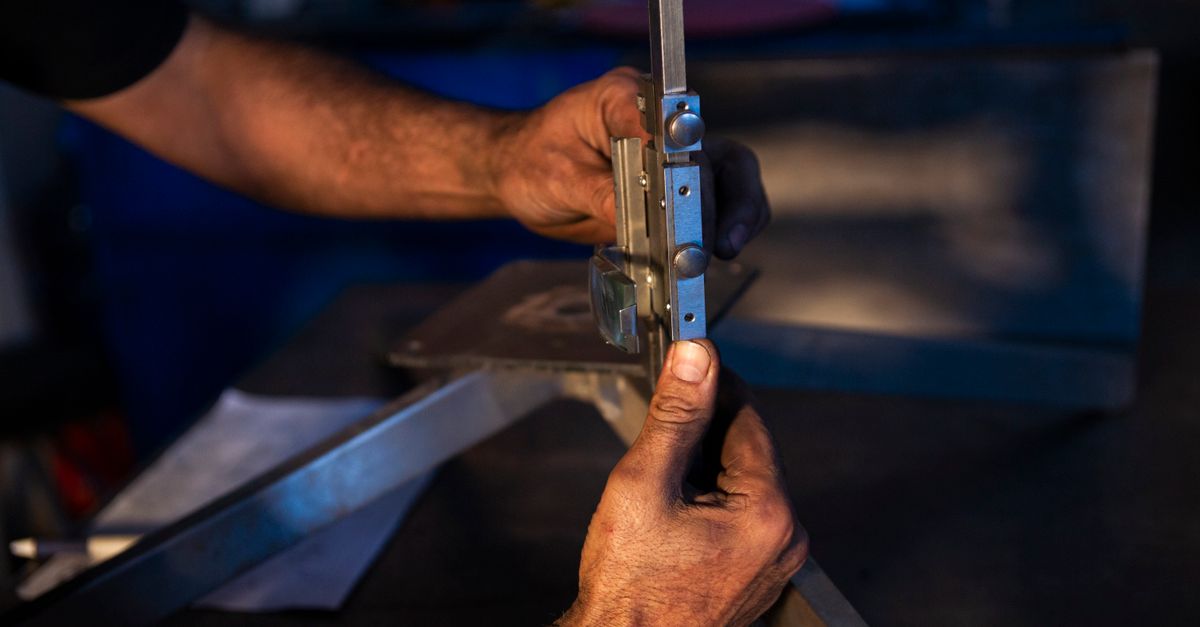
Maintaining high standards of quality control is vital in mining fabrication. Rigorous inspections at various stages of the manufacturing process ensure that each component complies with stringent industry specifications. Technicians leverage advanced measurement tools and established protocols to identify any deviations from the required standards. By implementing systematic checks and balances, fabrication facilities can swiftly address any issues and uphold the integrity of their final products.
Quality assurance protocols also involve comprehensive documentation and traceability. Every fabrication step is recorded meticulously, creating a clear history for each item produced. This level of detail not only aids in compliance with mining regulations but also builds trust with clients regarding the reliability of the products. Regular audits and reviews of these quality control measures help facilities adapt to evolving standards, fostering a culture of continuous improvement within the industry.
Ensuring Compliance Through Rigorous Testing Processes
Rigorous testing processes are essential to confirm that fabricated components adhere to industry regulations and standards. These practices often include stress testing, fatigue analysis, and corrosion resistance evaluations. By utilising advanced methodologies and technologies, mining companies ensure that materials perform reliably under extreme conditions. This comprehensive approach not only guarantees the safety of operations but also minimises the risk of equipment failure.
Documentation plays a pivotal role in the testing phase, providing a detailed record of compliance efforts. Maintaining accurate and thorough records helps facilitate audits and inspections, which can be crucial for obtaining necessary certifications. Implementing automated testing systems enhances accuracy and efficiency within the testing procedures, leading to faster turnaround times without compromising quality. These steps collectively contribute to a culture of accountability, ultimately supporting the industry's commitment to high compliance standards.
Innovations in Fabrication Technology
The mining industry is witnessing a transformation driven by advancements in fabrication technology. New methods such as 3D printing and automated welding systems are increasingly adopted to enhance efficiency and reduce waste. These innovations allow for complex designs to be realised with precision, addressing the specific needs of mining operations. Additionally, the integration of software solutions for design and modelling streamlines the fabrication process, reducing lead times and improving overall productivity.
The adoption of robotic systems in fabrication processes also marks a significant progress. Robots can perform repetitive tasks with high accuracy, which minimises human error and improves safety in environments that are often hazardous. Coupled with data analytics, these technologies enable real-time monitoring of fabrication workflow. This proactive approach not only ensures quality but also facilitates quick adjustments to meet changing compliance requirements, ultimately leading to a more resilient mining supply chain.
The Role of Advanced Technologies in Modern Mining
Recent advancements in fabrication technology have transformed the mining industry, enabling companies to improve operational efficiency and safety. The integration of automation and robotics into fabrication processes has streamlined production workflows. These technologies minimise human error and reduce the physical demands on workers, which can enhance overall workplace safety. Innovations such as 3D printing and computer-aided design allow for more precise and customised components, tailored specifically to meet the unique challenges of mining environments.
Additionally, data analytics and the Internet of Things (IoT) provide significant insights into equipment performance and maintenance needs. Real-time monitoring of machinery enables predictive maintenance, reducing downtime and operational costs. These advancements not only enhance productivity but also promote sustainable practices within the industry. By leveraging cutting-edge technologies, mining operations can make more informed decisions that align with compliance standards, ultimately supporting long-term environmental and operational goals.
FAQS
What are tailored fabrication services in the mining industry?
Tailored fabrication services refer to customised manufacturing processes designed to meet the specific needs and compliance standards of the mining sector. These services ensure that materials and equipment are fabricated to withstand the unique challenges faced in mining operations.
What are some common challenges in mining fabrication?
Common challenges include harsh environmental conditions, the need for precise specifications, and compliance with strict safety and quality regulations. Additionally, logistics and supply chain issues can also impact fabrication processes in the mining industry.
How is quality control maintained in mining fabrication?
Quality control in mining fabrication is maintained through rigorous testing processes, adherence to industry standards, and regular inspections. This includes material testing, dimensional checks, and performance evaluations to ensure that all fabricated products meet stringent compliance requirements.
What role do advanced technologies play in mining fabrication?
Advanced technologies, such as automation, 3D printing, and smart manufacturing, play a significant role in improving efficiency and precision in mining fabrication. These innovations help reduce costs, enhance product quality, and ensure compliance with industry standards.
How can companies ensure compliance with mining regulations through fabrication?
Companies can ensure compliance by partnering with experienced fabrication service providers who understand mining regulations, implementing rigorous quality control measures, and conducting thorough testing on all fabricated products before deployment in the field.
Related Links
Essential Fabrication Techniques in Mining OperationsThe Future of Metal Fabrication in Western Australia's Mining Landscape
Innovative Metal Solutions for Australia's Mining Sector
Cost-Effective Strategies for Custom Metal Work in Mining
Sustainability Practices in Metal Fabrication for Mining Industries
Custom Mining Equipment Fabrication for Enhanced Efficiency
Key Factors in Choosing Metal Fabricators for Mining Projects
Enhancing Safety Standards through Custom Metal Fabrication in Mining