Enhancing Vehicle Safety with Precision Metal Fabrication Techniques
Table Of Contents
Quality Control Measures in Fabrication
Ensuring high standards in metal fabrication is crucial for the automotive industry, given its direct impact on vehicle safety. Implementing rigorous quality control measures allows manufacturers to detect defects early in the production process. Techniques such as automated inspections and the use of precision measuring tools facilitate the identification of discrepancies in materials and dimensions. Regular audits of fabrication processes help maintain these standards and ensure that every component adheres to the required specifications.
Training employees in quality assurance practices enhances their ability to contribute to a consistent production environment. Competence in recognising flaws and understanding material properties is essential for those involved in the fabrication process. Establishing a culture that prioritises quality instills a sense of responsibility among workers, driving better outcomes. It also promotes continuous improvement initiatives that lead to refined techniques and processes, ultimately benefiting overall vehicle design and safety.
Ensuring Consistency and Reliability in Production
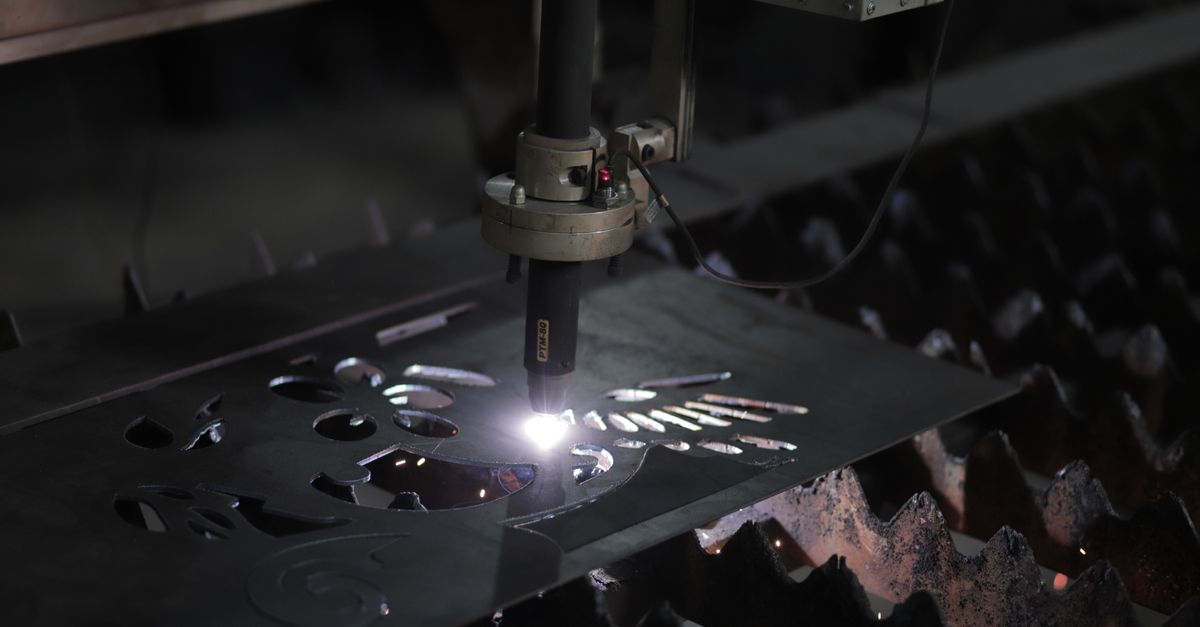
Achieving consistency and reliability in vehicle production relies heavily on precise metal fabrication techniques. These methods ensure that components are manufactured to exact specifications, reducing the risk of variance that could affect safety. Advanced technologies, such as laser cutting and CNC machining, provide the required accuracy while streamlining the production process. By adopting such technologies, manufacturers can maintain high-quality standards and minimise errors, allowing for a more dependable end product.
Rigorous quality control measures play a crucial role in reinforcing production reliability. Inspections at various stages of manufacturing ensure adherence to set benchmarks. Implementation of statistical process control helps identify any deviations early in the process, allowing for immediate corrective actions. This proactive approach not only enhances the safety of vehicles but also builds consumer trust, as buyers increasingly seek products known for their quality and reliability.
Environmental Considerations in Metal Fabrication
The metal fabrication industry faces increasing scrutiny regarding its environmental impact. Manufacturers are now tasked with minimising waste, reducing emissions, and conserving energy throughout their processes. Implementing best practices can significantly lower the industry's carbon footprint. Emphasising the recycling of scrap metal and using eco-friendly materials further bolsters sustainability efforts.
The automotive sector plays a crucial role in advocating for greener manufacturing practices. Collaboration with suppliers focused on sustainable sourcing is essential. Certifications such as ISO 14001 help ensure that companies adhere to environmental management standards. By prioritising eco-friendly technologies and reducing hazardous waste, the industry can contribute positively to environmental conservation while still meeting production demands.
Sustainable Practices in the Automotive Industry
The automotive industry is increasingly adopting sustainable practices to minimise its environmental impact. Many manufacturers are focusing on using recycled materials in vehicle production. This reduces the demand for virgin materials and lowers energy consumption during manufacturing processes. Additionally, manufacturers are exploring alternative materials that are lighter yet strong, which can lead to improved fuel efficiency.
Implementing energy-efficient production techniques is another significant step toward sustainability. Companies are investing in renewable energy sources to power their facilities. This shift not only reduces greenhouse gas emissions but also demonstrates a commitment to responsible sourcing and manufacturing practices. Furthermore, embracing circular economy principles can enable manufacturers to design vehicles for longevity and recyclability, ensuring less waste in landfills while also appealing to environmentally conscious consumers.
Collaboration Between Engineers and Fabricators
Effective collaboration between engineers and fabricators plays a crucial role in the development of vehicle safety features. Engineers contribute their technical knowledge and design expertise, while fabricators provide insights into material properties and manufacturing processes. This synergy enables the creation of components that not only meet design specifications but also adhere to safety standards. By integrating their respective skills, both parties can address potential issues during the early stages of production, reducing the risk of costly modifications later on.
Establishing open lines of communication fosters a deeper understanding of the challenges faced in both engineering and fabrication. Teams that work together can share valuable feedback and iterate designs to improve manufacturability and performance. Regular meetings and collaborative problem-solving sessions can streamline the production workflow and increase overall efficiency. This proactive approach ultimately leads to enhanced safety outcomes, benefiting both manufacturers and consumers alike, while setting a precedent for quality in the automotive industry.
Importance of Teamwork for Enhancing Safety
Effective communication between engineers, designers, and fabricators is pivotal for refining automotive safety measures. By engaging in collaborative discussions throughout the design and production processes, teams can identify potential safety risks early on. This proactive approach allows for timely adjustments, minimising the likelihood of oversights that could jeopardise the integrity of the final product. Clear exchange of ideas enhances the overall understanding of safety standards and requirements, leading to an end result that prioritises the well-being of both vehicle occupants and other road users.
Building a cohesive team environment encourages a culture of shared responsibility regarding safety. Each member brings unique expertise and insights to the table, which enriches the evaluation of safety practices. Regular team meetings focused on safety improvements promote accountability and facilitate the sharing of best practices. Additionally, fostering relationships among team members creates a supportive atmosphere, which can lead to innovative solutions that enhance safety within vehicular design and production.
FAQS
What is precision metal fabrication and how does it enhance vehicle safety?
Precision metal fabrication involves the meticulous shaping and assembling of metal components to meet exact specifications. This technique enhances vehicle safety by ensuring that structural parts are built to withstand impacts and stresses, leading to improved durability and protection for occupants.
What quality control measures are commonly used in metal fabrication?
Common quality control measures in metal fabrication include regular inspections, testing of materials, adherence to industry standards, and the implementation of automated monitoring systems. These practices help ensure consistency and reliability in production, which is crucial for vehicle safety.
How does environmental sustainability play a role in metal fabrication for the automotive industry?
Environmental sustainability in metal fabrication involves adopting practices that reduce waste, lower emissions, and utilise renewable resources. By incorporating these sustainable practices, the automotive industry not only reduces its environmental footprint but also promotes safer and more responsible vehicle production.
Why is collaboration between engineers and fabricators important in enhancing vehicle safety?
Collaboration between engineers and fabricators is essential because it combines technical design expertise with practical manufacturing knowledge. This teamwork ensures that safety features are effectively integrated into vehicle designs and that fabrication methods align with safety standards, resulting in safer vehicles.
What sustainable practices are being adopted in the automotive industry?
Sustainable practices in the automotive industry include using recycled materials, implementing energy-efficient manufacturing processes, and designing vehicles for recyclability. These practices help reduce the environmental impact of vehicle production while maintaining high safety standards.
Related Links
Innovations in Custom Metal Fabrication for the Australian Automotive SectorExploring Lightweight Materials in Perth's Automotive Fabrication
The Importance of API Compliance in Automotive Metal Fabrication
How Custom Metal Parts Improve Vehicle Customisation Options
Sustainable Practices in Automotive Metal Fabrication in Perth