The Importance of API Compliance in Automotive Metal Fabrication
Table Of Contents
Equipment and Technology for Compliance
Compliance with API standards in automotive metal fabrication relies heavily on the right equipment and technology. Advanced machinery such as precision laser cutters and robotic welding systems play a critical role in achieving the required specifications. These tools not only enhance manufacturing efficiency but also ensure the highest quality output that meets regulatory requirements. Implementing state-of-the-art technologies helps in minimising errors and optimising production processes, making the overall operation more streamlined.
In addition to equipment, software solutions are pivotal for maintaining compliance. Computer-aided design (CAD) and enterprise resource planning (ERP) systems facilitate precise planning and execution of fabrication tasks. These technologies ensure that all aspects of production adhere to stringent standards. Regularly updating and maintaining this equipment is essential to keeping pace with evolving API guidelines. Investing in the latest technology contributes significantly to a company's ability to remain compliant and competitive in a rapidly changing industry.
Essential Tools for API Standards
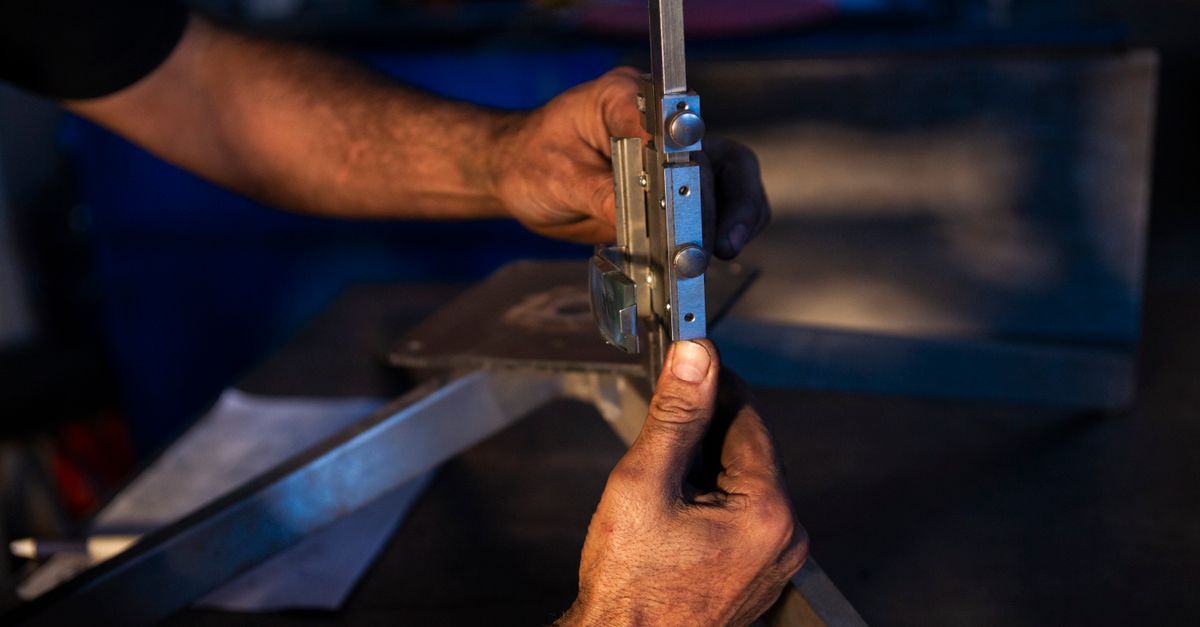
Maintaining compliance with API standards requires specific tools designed for accurate measurements and quality control. Precision measuring instruments such as micrometres, gauges, and calipers ensure that all fabricated components meet necessary specifications. Additionally, software solutions for tracking compliance and quality can simplify the monitoring process. Using the right technology streamlines operations and helps prevent costly errors during production.
Inspection equipment forms another critical component in achieving compliance. Non-destructive testing (NDT) tools, including ultrasonic testers and radiography equipment, verify the integrity of materials without compromising their usability. Implementing these tools enhances the fabrication process and fosters a culture of quality assurance throughout the production cycle. Having these essential resources readily available supports manufacturers in adhering to rigorous API standards.
Training Workforce for API Standards
Investing in workforce training is fundamental for meeting API standards in the automotive metal fabrication sector. Employees must be well-versed in the specifics of API guidelines, ensuring they comprehend not only the standards themselves but also the implications of non-compliance. This training should focus on practical applications relevant to their roles, allowing workers to develop the necessary skills and competencies to adhere to these rigorous requirements.
A comprehensive training programme should encompass both theoretical knowledge and hands-on experience. Workshops, simulated environments, and real-world applications foster a deeper understanding of API standards. Regular assessments and updates ensure that the workforce remains proficient and equipped to handle the evolving expectations of the industry. By prioritising well-rounded training, companies enhance their compliance capabilities while simultaneously fostering a culture of quality and accountability.
Importance of Skilled Personnel
Skilled personnel are pivotal to achieving API compliance in automotive metal fabrication. Their expertise ensures that all processes align with the stringent standards set forth by the industry. Technicians and engineers play crucial roles, from interpreting API guidelines to executing precise manufacturing practices. A workforce well-versed in these standards can identify potential issues early in the production process, minimising costly errors and maintaining high-quality outputs.
The ongoing development of skilled personnel fosters a culture of safety and innovation within the organisation. Regular training programmes empower employees to stay current with the latest API updates and technological advancements. This commitment to professional growth not only enhances compliance but also boosts overall operational efficiency. By investing in the workforce, companies can cultivate a team committed to excellence, reinforcing their position in a competitive market.
Staying Updated with API Changes
The automotive metal fabrication industry constantly evolves, driven by advancements in technology and changes in regulatory standards. Staying abreast of API changes is crucial for manufacturers seeking to maintain compliance and uphold the quality of their products. Regularly reviewing updates from the American Petroleum Institute ensures that companies are aware of any new requirements or modifications to existing standards. This proactive approach can prevent compliance lapses, reducing the risk of costly penalties or rework.
Engaging with industry associations and participating in relevant workshops can be valuable for keeping teams informed. Networking with peers also provides insights into best practices and emerging trends within the sector. Implementing a systematic approach to monitor API changes, alongside regular internal assessments, fosters a culture of continuous improvement. This commitment not only enhances operational efficiency but also solidifies a company's reputation as a compliant and reliable provider in the market.
Monitoring Industry Developments
Staying ahead in automotive metal fabrication requires constant vigilance regarding industry developments. API standards are not static; they evolve in response to technological advancements and regulatory changes. Regularly consulting the official API website, industry journals, and professional organisations is crucial for staying informed of new or revised standards. Initiating discussions within professional networks can offer insights into upcoming trends and potential impacts on business practices.
Networking with peers and participating in industry conferences can provide valuable opportunities to learn about innovations in materials and techniques. Engaging with suppliers and manufacturers can lead to early awareness of new tools and equipment tailored to meet API compliance. Adapting to changes proactively enhances the overall quality of products while ensuring adherence to safety and performance benchmarks. Regular training sessions focusing on updates to API standards can help ensure that the workforce remains competent and knowledgeable in the face of industry shifts.
FAQS
What are API standards in automotive metal fabrication?
API standards refer to the set of guidelines and specifications established by the American Petroleum Institute that ensure quality, safety, and efficiency in the manufacturing processes of automotive metal components.
Why is compliance with API standards important in automotive metal fabrication?
Compliance with API standards is crucial as it helps maintain product reliability, enhances safety, reduces the risk of failures, and ensures that manufactured components meet industry requirements, thereby fostering customer trust.
What equipment and technology are essential for ensuring API compliance?
Essential equipment includes precision machining tools, welding machines, and quality control instruments, along with technology such as computer-aided design (CAD) software and advanced manufacturing systems that facilitate adherence to API standards.
How can a workforce be effectively trained for API compliance?
A workforce can be effectively trained through structured training programs that focus on API standards, practical workshops, and continuous education to keep personnel informed about the latest compliance requirements and industry practices.
How can companies stay updated with changes in API standards?
Companies can stay updated by regularly reviewing API publications, attending industry conferences, participating in professional associations, and following relevant news sources that report on advancements and modifications to API standards.
Related Links
How Custom Metal Parts Improve Vehicle Customisation OptionsThe Role of Custom Metal Solutions in Electric Vehicle Development
Sustainable Practices in Automotive Metal Fabrication in Perth
Custom Fabrication for Aftermarket Automotive Accessories in Perth
Trends in Automotive Metal Fabrication for Performance Cars
The Impact of Custom Metal Designs on Car Performance and Aesthetics