Tips for Achieving Optimal Results in Sheet Metal Cutting Projects
Table Of Contents
Safety Precautions to Consider
Working with sheet metal can pose various hazards, making safety precautions essential. Always ensure that the workspace is clean and free from obstructions to minimise tripping hazards. Familiarise yourself with the equipment and read the manufacturer's instructions before use. Assess the workspace for possible dangers, including electrical issues or inadequate ventilation, and address them promptly. Having a safety plan in place is crucial, and all team members should be trained in emergency procedures to respond effectively to accidents.
Consider the importance of safety gear when undertaking cutting projects. Items such as safety goggles, gloves, and hearing protection should be worn at all times. These protective measures can prevent injuries from flying debris, sharp edges, or excessive noise. Additionally, wearing appropriate clothing such as long sleeves and non-loose-fitting pants can help protect against cuts and other injuries. Ensure that all equipment is well maintained and inspected regularly to avoid malfunctions that could lead to hazardous situations.
Essential Safety Gear and Practices
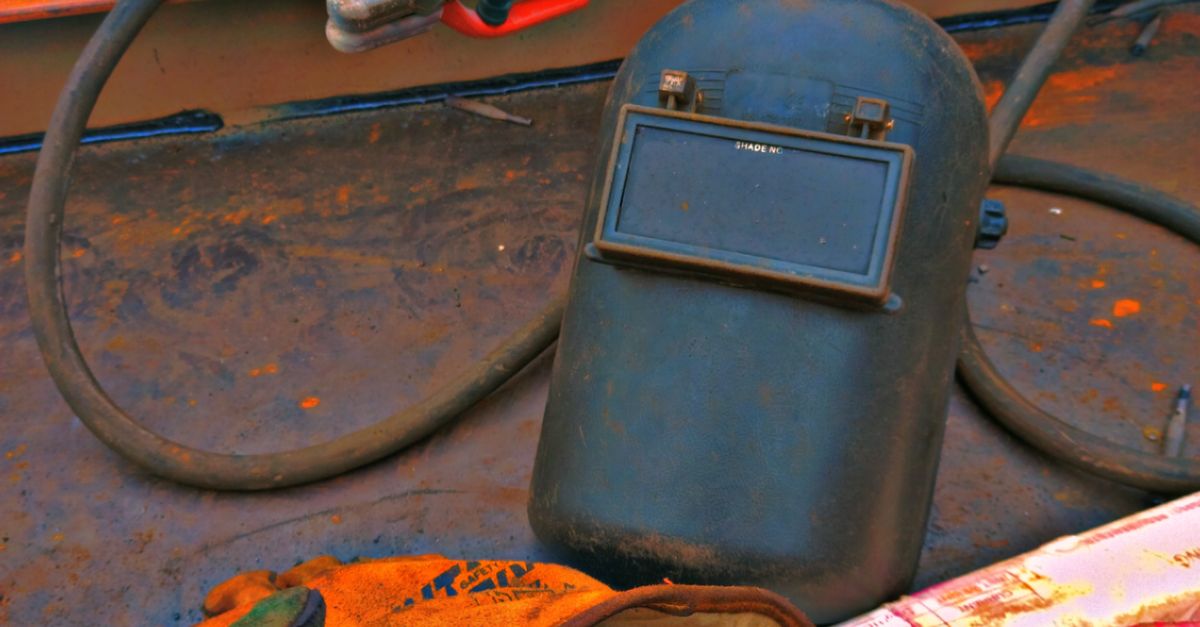
Wearing appropriate safety gear is vital in sheet metal cutting projects. This includes protective eyewear to shield against flying debris and strong gloves to prevent cuts from sharp edges. Steel-toed boots offer additional foot protection while ensuring stability when handling heavy sheets. Hearing protection is essential in noisy environments, particularly when using high-powered machinery.
It is equally important to adopt safe practices while performing cutting operations. Always ensure the cutting area is clean and well-lit to prevent accidents. Using clamps to secure the metal ensures stability and accuracy during the cutting process. Make a habit of maintaining a safe distance from moving parts and machinery, reducing the risk of injuries. Regularly checking equipment for any wear and tear plays a crucial role in maintaining a safe working environment.
Optimising Cutting Speed and Feed Rate
Finding the right cutting speed and feed rate is vital for achieving high-quality results in sheet metal cutting. Higher cutting speeds can increase efficiency, but they may compromise the quality of the cut if not properly balanced with the feed rate. Each type of metal has its own characteristics that affect how it reacts to cutting. Understanding the material properties is essential in determining optimal settings that prevent issues like burr formation or excessive tool wear.
Maintaining a balance between speed and feed is crucial for the longevity of both the workpiece and the cutting tools. A slower feed rate allows for greater precision and finish quality, particularly in intricate designs or thicker materials. Experimentation with various combinations often yields the best results, as fine-tuning these parameters helps to cater to specific project demands. Regular monitoring and adjustments based on performance also lead to improved outcomes over time.
Balancing Efficiency with Quality
Achieving a successful balance between efficiency and quality during the sheet metal cutting process can significantly influence project outcomes. Prioritising speed often leads operators to increase feed rates, which, while improving productivity, can compromise edge quality and accuracy. It is essential to set optimal cutting parameters that allow for both a reasonable output rate and the desired finish on the material, ensuring that the final product meets specifications without excessive rework.
Monitoring the performance of cutting tools is key to maintaining this balance. Regular inspections help identify wear and tear that can affect both efficiency and quality. Adjusting the feed rate and speed according to the material type, thickness, and desired finish ensures that cutting tools continue to perform optimally while producing high-quality cuts, making it possible to meet deadlines without sacrificing standards. Establishing a routine to evaluate both cutting speed and surface finish will help achieve effective results consistently.
Maintenance of Cutting Tools
Regular maintenance of cutting tools is crucial for ensuring consistent performance when working on sheet metal projects. Inspecting tools for wear and damage should be part of a routine checklist. Sharpening blades and replacing worn parts promptly helps to maintain cutting effectiveness. Keeping tools clean also plays a significant role in ensuring that contaminants do not interfere with their functionality.
Proper storage can significantly extend the lifespan of cutting tools. Storing them in a designated, dry area prevents rust and other forms of corrosion. Using protective coverings, such as sheaths or cases, minimises the risk of accidental damage. Additionally, maintaining a log of usage and maintenance activities can aid in tracking tool condition, ensuring that they are serviced at appropriate intervals.
Tips for Extending Tool Lifespan
Regular maintenance plays a crucial role in extending the lifespan of cutting tools. Clean the tools after each use to remove metal chips, dust and other debris that could cause wear. A build-up of grime can lead to overheating during operation, affecting both performance and tool longevity. Periodic inspection also helps in identifying any signs of damage or wear early on, allowing for timely repairs or replacements, which can prevent further issues down the line.
Using the correct cutting parameters is also important. Select the appropriate speed and feed rates to match the material being cut, as improper settings can lead to excessive strain on the tool. Overheating caused by incorrect speeds can quickly dull the cutting edges. Additionally, employing the right lubricant can reduce friction and heat, further preserving the integrity of the tool while enhancing performance during cutting tasks.
FAQS
What safety gear should I wear when working with sheet metal cutting tools?
It is essential to wear safety glasses, gloves, and hearing protection when working with sheet metal cutting tools to protect yourself from sharp edges, debris, and noise.
How can I determine the optimal cutting speed and feed rate for my project?
The optimal cutting speed and feed rate depend on the type of material, thickness, and cutting tool. Consult the manufacturer's guidelines or conduct tests to find the best settings for your specific project.
What maintenance practices can help extend the lifespan of cutting tools?
Regularly clean your cutting tools, inspect them for wear and damage, and sharpen them as needed. Proper storage and handling are also crucial in maintaining their longevity.
Why is it important to balance efficiency with quality in sheet metal cutting?
Balancing efficiency with quality ensures that you achieve the desired production speed without compromising the accuracy and finish of the cut, which can lead to better overall results and reduced waste.
What common mistakes should I avoid during sheet metal cutting projects?
Common mistakes include using dull tools, not following safety protocols, ignoring material specifications, and neglecting maintenance. Avoiding these can significantly improve your cutting results.
Related Links
Common Challenges in Sheet Metal Cutting and How to Overcome ThemThe Role of Precision in Sheet Metal Cutting for Quality Fabrication
Custom Solutions for Complex Sheet Metal Cutting Requirements
Exploring Sustainability Practices in Sheet Metal Cutting Processes
Comparing Waterjet Cutting Versus Traditional Sheet Metal Techniques