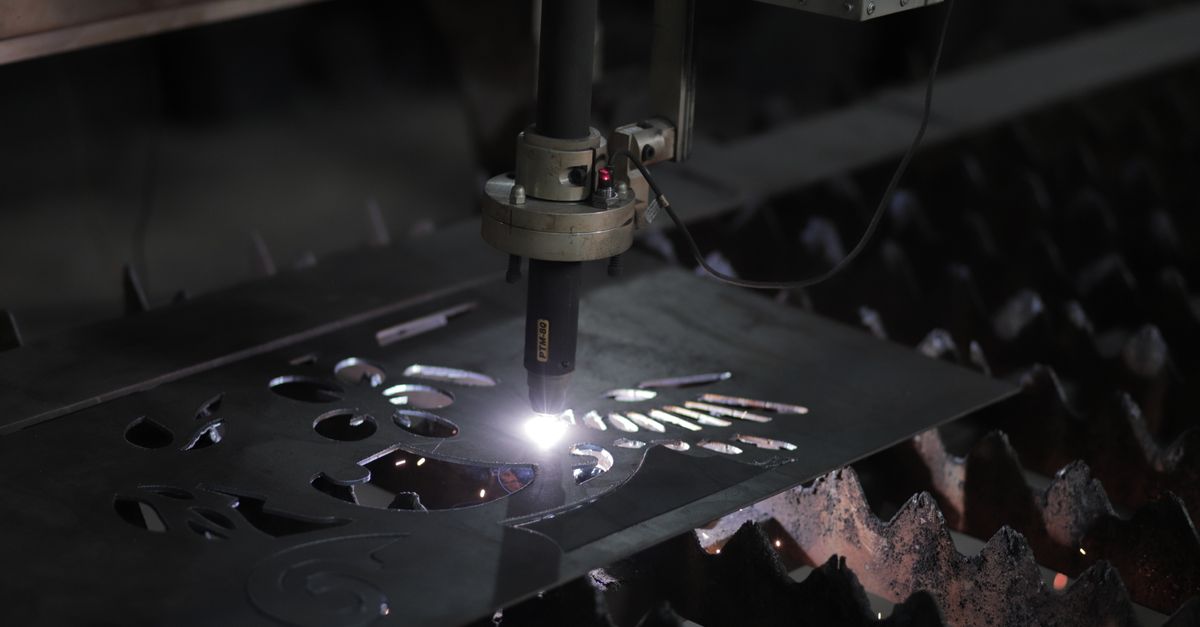
Precision Custom Metal Cutting Solutions for Perth Industries
Table Of Contents
Safety Standards in Metal Cutting
The metal cutting industry upholds stringent safety standards to protect workers and maintain operational integrity. Adhering to guidelines outlined by regulatory bodies ensures that equipment operates safely and efficiently. Regular training and certification of staff are essential components of this framework. Implementing risk assessments and establishing clear safety protocols contribute significantly to minimising workplace hazards.
Personal protective equipment (PPE) plays a crucial role in safeguarding employees while they perform metal cutting tasks. Items such as safety goggles, gloves, and hearing protection are vital in mitigating risks associated with flying debris and loud machinery. Beyond PPE, creating a culture of safety awareness among employees fosters a proactive approach to identifying and addressing potential dangers in the workplace. Regular audits and safety drills further enhance the commitment to maintaining a secure environment.
Ensuring a Safe Working Environment
A safe working environment is crucial in the realm of metal cutting. Implementing comprehensive safety protocols helps mitigate risks associated with heavy machinery and hazardous materials. Adequate training for staff is essential, ensuring they are familiar with equipment operation and safety procedures. Personal protective equipment (PPE) such as gloves, goggles, and face shields should be provided to prevent injuries from sparks, flying debris, and sharp tools.
Regular maintenance of equipment also plays a significant role in maintaining safety standards. Keeping machines in good working order reduces the likelihood of malfunctions that could lead to accidents. Furthermore, adopting clear communication methods ensures that all team members are aware of potential hazards in their surroundings. By fostering a culture of safety, businesses can enhance employee well-being while optimising productivity in metal cutting operations.
Customisation Options for Metal Cutting
Manufacturers today offer a wide range of customisation options to meet the diverse needs of their clients. This includes variations in size, shape, and thickness of metal materials. Advanced technology allows for intricate designs that can accommodate specific project requirements. Whether it's a unique component for machinery or specialised parts for construction, tailored solutions enhance the efficiency and effectiveness of applications across different industries.
Clients can collaborate with metal cutting service providers to establish specifications that align with their operational demands. This level of customisation not only improves functionality but also contributes to cost savings by minimising waste and reducing the need for additional machining processes. By understanding the nuances of each industry, providers are able to deliver products that are precisely engineered for optimal performance in real-world scenarios.
Tailoring Solutions to Meet Specific Needs
Industries often require specific metal dimensions, shapes, and finishes that standard offerings cannot satisfy. Through bespoke cutting solutions, manufacturers can tailor their processes to produce unique components that meet precise engineering specifications. By leveraging advanced technologies such as CNC machining and laser cutting, companies can achieve intricate designs with high accuracy. This adaptability not only enhances product quality but also ensures that clients receive materials that seamlessly integrate into their existing systems.
Collaboration between clients and metal-cutting providers plays a pivotal role in achieving these customised solutions. Understanding the end product's application allows providers to recommend the most suitable materials and cutting methods. Regular consultations enable adjustments to be made throughout the production process, fine-tuning aspects like thickness, curvature, and surface treatment. This proactive approach fosters innovation, driving the development of novel products tailored to evolving industry demands.
Environmental Considerations
Many industries are recognising the importance of minimizing their environmental footprint, particularly in metal cutting operations. Advancements in technology have led to more efficient processes that reduce waste and energy consumption. Companies are increasingly implementing practices that focus on recycling metal scraps, which not only conserves resources but also lowers operational costs.
In addition to recycling efforts, the adoption of environmentally friendly cutting fluids and lubricants is gaining traction. These alternatives offer safer options that are less harmful to both workers and the environment. Initiatives that promote energy efficiency across machinery and operations are also integral in enhancing sustainability within the metal cutting sector.
Sustainable Practices in Metal Cutting
The metal cutting industry has been making strides towards implementing sustainable practices. Companies are increasingly adopting energy-efficient machinery, minimising waste through advanced cutting techniques. Utilising recycled materials in production processes not only reduces the environmental footprint but also promotes a circular economy within the industry.
Additionally, many businesses are prioritising the safe disposal and recycling of metal scrap. This helps to conserve natural resources while ensuring compliance with environmental regulations. By enhancing operational efficiency and focusing on sustainability, metal cutting companies can create a positive impact on both their output and the planet.
FAQS
What industries benefit from precision custom metal cutting solutions in Perth?
Various industries benefit from precision custom metal cutting solutions in Perth, including manufacturing, construction, automotive, and aerospace, among others.
How do safety standards impact metal cutting processes?
Safety standards ensure that metal cutting processes are conducted in a safe manner, minimising risks of accidents and injuries for workers while also maintaining quality and efficiency in operations.
Can metal cutting solutions be customised for specific project requirements?
Yes, metal cutting solutions can be tailored to meet specific project requirements, including dimensions, materials, and design specifications, ensuring that the final product meets the client's exact needs.
What sustainable practices are used in metal cutting?
Sustainable practices in metal cutting include recycling scrap metal, using energy-efficient machines, and implementing waste reduction strategies to minimise environmental impact.
How can I ensure a safe working environment during metal cutting operations?
To ensure a safe working environment, it's essential to follow safety protocols, provide proper training for workers, use appropriate personal protective equipment (PPE), and maintain equipment regularly to prevent hazards.
Related Links
Enhancing Product Design through Custom Metal Cutting Techniques in PerthExploring the Benefits of Laser Cutting in Custom Metal Fabrication
Custom Metal Cutting for Sustainable Manufacturing Practices in Perth
The Importance of Quality Control in Custom Metal Cutting Processes
Custom Metal Cutting: Meeting the Demands of Perth's Bespoke Manufacturing
Understanding Cost Factors in Custom Metal Cutting Services in Perth
Achieving Optimal Efficiency in Custom Metal Cutting Operations
The Role of Advanced Machinery in Custom Metal Cutting Services