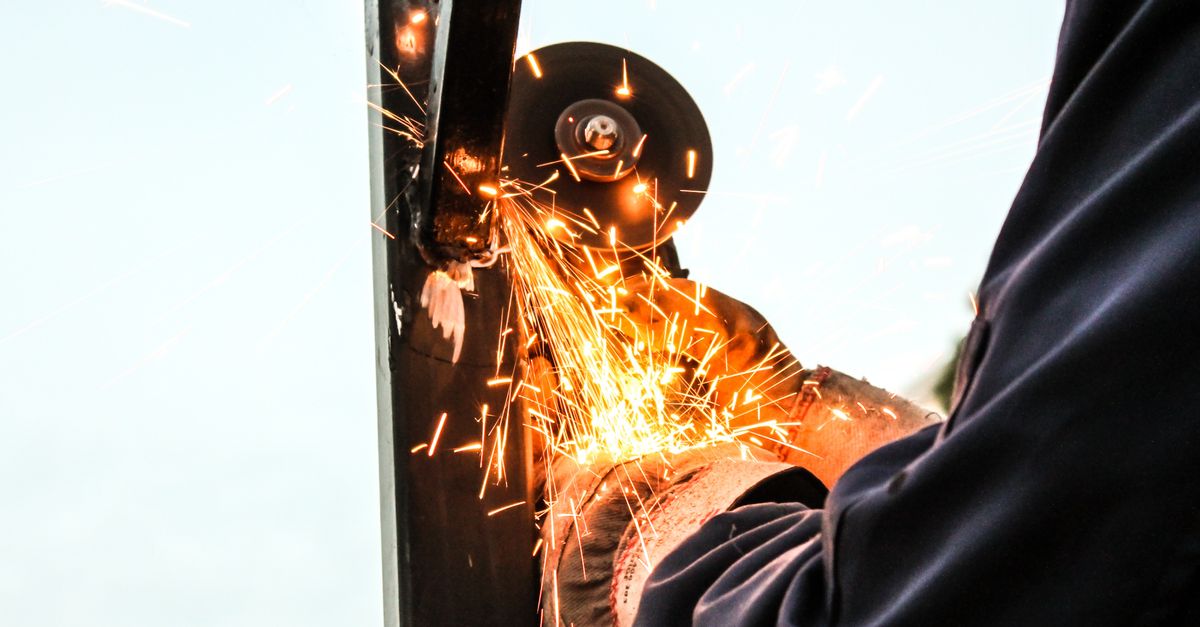
Innovations in Custom Metal Fabrication for the Defence Sector in Perth
Table Of Contents
Collaborations Between Industries
The defence sector in Perth has seen a significant rise in collaborations between metal fabrication companies and various industries. Such partnerships enable the sharing of knowledge and resources, ultimately leading to enhanced product quality. Local businesses, technology firms, and research institutions are coming together to create synergies that drive innovation. These collaborations foster an environment where new ideas can flourish, resulting in cutting-edge solutions tailored to defence needs.
Local companies have begun to recognise the importance of forming alliances that extend beyond traditional boundaries. By working closely with suppliers and developers, metal fabricators can streamline their processes and incorporate advanced technologies into their operations. This collaborative approach not only promotes efficiency but also encourages the development of bespoke solutions that meet specific requirements within the defence sector. Engaging with diverse partners has become essential for remaining competitive and responsive to evolving demands.
Partnerships with Local Businesses
Local businesses play a pivotal role in enhancing the capabilities of custom metal fabrication for the defence sector in Perth. Collaborative efforts between large contractors and smaller enterprises foster innovation and efficiency. By pooling resources and expertise, these partnerships can tackle complex projects that require a diverse set of skills and knowledge. This synergy not only accelerates production timelines but also improves the quality of the outputs.
These alliances enable local fabricators to remain competitive in an industry increasingly reliant on advanced technologies. Sharing insights about market demands and regulatory requirements helps smaller firms align their services with the specific needs of defence contractors. Such partnerships often result in mutual growth as local suppliers gain access to larger projects, while contractors benefit from the agility and flexibility of smaller companies.
Regulatory Compliance in Metal Fabrication
Adhering to strict regulatory frameworks is essential for metal fabrication within the defence sector. Compliance ensures that products meet safety standards and operational requirements set forth by government bodies. Regulations not only safeguard the integrity of the materials used but also protect personnel involved in various defence operations. Fabrication shops are required to stay updated on the evolving regulations, which can vary depending on the specific projects and technologies involved.
Furthermore, understanding defence standards is crucial for maintaining consistent quality across all fabricated components. Each project typically undergoes rigorous inspections throughout the fabrication process to ensure compliance with established norms. Familiarity with these standards helps manufacturers avoid costly errors and delays, ultimately contributing to more efficient project timelines. This commitment to regulatory compliance helps foster trust between fabrication companies and defence organisations, ensuring smoother collaboration and enhanced project outcomes.
Understanding Defence Standards and Protocols
The defence sector imposes rigorous standards and protocols that guide the metal fabrication process to ensure products meet the necessary safety, reliability, and performance requirements. These standards often stem from national and international defence specifications, which dictate factors such as material selection, fabrication techniques, and quality control measures. Understanding these regulations is essential for manufacturers aiming to serve this sector effectively, as compliance not only garners trust but also mitigates the risk of delays and financial losses.
Educating staff about these protocols forms a critical component of successful metal fabrication for defence applications. Regular training programmes and workshops can help ensure that workers are familiar with evolving standards and best practices. Adopting a proactive approach to compliance not only enhances operational efficiency but also solidifies partnerships with defence contractors seeking reliable and knowledgeable suppliers. By cultivating a culture centred around adherence to these rigorous standards, companies can position themselves as leaders within the competitive landscape of the defence industry in Perth.
Innovations in Welding Techniques
Advancements in welding techniques have significantly transformed the capabilities of custom metal fabrication within the defence sector. Laser welding has emerged as a leading method, offering precise and clean joining of materials. This technique utilizes focused laser beams to melt the base metal, resulting in minimal distortion and exceptional strength. Such characteristics are crucial for defence applications where reliability and durability are paramount.
TIG welding has also gained prominence in recent years due to its versatility and ability to produce high-quality welds on various metals, including aluminum and stainless steel. The process allows for a greater degree of control over the heat input, enabling welders to work on thin materials without compromising integrity. As manufacturers continue to adopt these innovative methods, the production of defence equipment and components becomes more efficient, ultimately benefiting overall military readiness and effectiveness.
Exploring Laser and TIG Welding
Laser welding has emerged as a transformative technique in metal fabrication, significantly enhancing the precision and quality of welds. This method utilises a high-powered laser beam to focus energy on materials, resulting in stronger and more consistent joins. The ability to control the depth and width of the weld spot allows for reduced heat input, minimising distortion and enabling the fabrication of complex geometries. The advantages of laser welding make it particularly suited to applications in the defence sector, where durability and reliability are critical.
TIG welding, or tungsten inert gas welding, is renowned for producing clean, high-quality welds. This technique employs a non-consumable tungsten electrode and an inert gas to protect the weld pool from atmospheric contamination. Its versatility allows fabricators to work with various metals, including aluminium and stainless steel, which are often used in defence applications. The precision of TIG welding is advantageous for projects requiring meticulous detailing and structural integrity, making it a preferred choice in custom fabrication for the military and other defence-related industries.
FAQS
What is custom metal fabrication in the defence sector?
Custom metal fabrication in the defence sector involves creating tailored metal components and structures to meet specific military requirements, ensuring durability, precision, and compliance with defence standards.
How do collaborations between industries enhance metal fabrication innovation?
Collaborations between industries foster the sharing of resources, expertise, and technology, leading to innovative solutions and improved practices in metal fabrication for the defence sector.
What are the key regulatory compliance requirements for metal fabrication in defence?
Key regulatory compliance requirements include adherence to defence standards, environmental regulations, safety protocols, and specific quality assurance measures to ensure the reliability of fabricated components.
How can local businesses contribute to the defence sector in Perth?
Local businesses can contribute by providing specialised services, technology, and skilled labour, forming partnerships that enhance the capabilities of the defence sector and support innovation in metal fabrication.
What are the advantages of using laser and TIG welding techniques in metal fabrication?
Laser and TIG welding techniques offer precision, reduced heat distortion, and improved weld quality, making them ideal for producing high-strength components required in the defence industry.
Related Links
Key Benefits of Localised Metal Fabrication for Defence Applications in PerthEssential Considerations for Defence-Grade Metal Fabrication in Perth
Future Trends in Defence Metal Fabrication Techniques in Perth
Challenges Faced in Custom Metal Fabrication for Defence Systems
Collaboration Between Designers and Fabricators in Defence Manufacturing in Perth
The Role of Custom Metal Fabrication in Enhancing Defence Equipment Performance