Comparing CNC Machining with Traditional Fabrication Methods
Table Of Contents
Cost Considerations
When evaluating the cost implications of CNC machining versus traditional fabrication methods, several factors come into play. Initial setup costs for CNC machines can be significant due to the investment in equipment and software. This expense is often balanced by the precision and speed offered by CNC machining, which can lead to reduced labour costs and faster turnaround times on projects. In contrast, traditional methods may present lower upfront costs but can involve more extensive human labour and longer project durations.
Ongoing operational costs also differ between the two approaches. CNC machining typically requires less manual intervention, resulting in lower labour costs over time. Maintenance and tooling expenses must be factored into the budget for both methods, with CNC machines demanding specific tools that may add to overall costs. Traditional fabrication methods might rely on more versatile, less expensive tools, yet they involve greater time investments from skilled workers, impacting final project pricing in ways that may not be immediately apparent.
Cost Analysis of CNC Machining and Traditional Fabrication
CNC machining typically involves higher initial costs due to the investment in advanced machinery and software. However, this expense often pays off over time through increased efficiency and reduced labour costs. The capability to produce complex parts with high precision can lead to less material wastage and lower overall production costs in the long term. In contrast, traditional fabrication methods may have lower upfront costs but can become costlier with larger batch sizes due to extended labour time and potential for human error.
The pricing structure also varies between the two methods, particularly when considering the scale of production. CNC machining is often more economical for small to medium production runs because of its ability to quickly replicate parts with minimal manual intervention. Traditional methods excel in mass production scenarios where they can leverage economies of scale, reducing per-piece costs significantly. Each approach has its own financial implications, making careful consideration important when determining which method is most suitable for a specific project.
Design Complexity
CNC machining offers significant advantages when it comes to creating complex designs. The ability to program precise movements enables the production of intricate features that might be challenging or impossible to achieve with traditional methods. This capability allows designers to explore innovative geometries without being limited by the constraints often faced in manual fabrication processes.
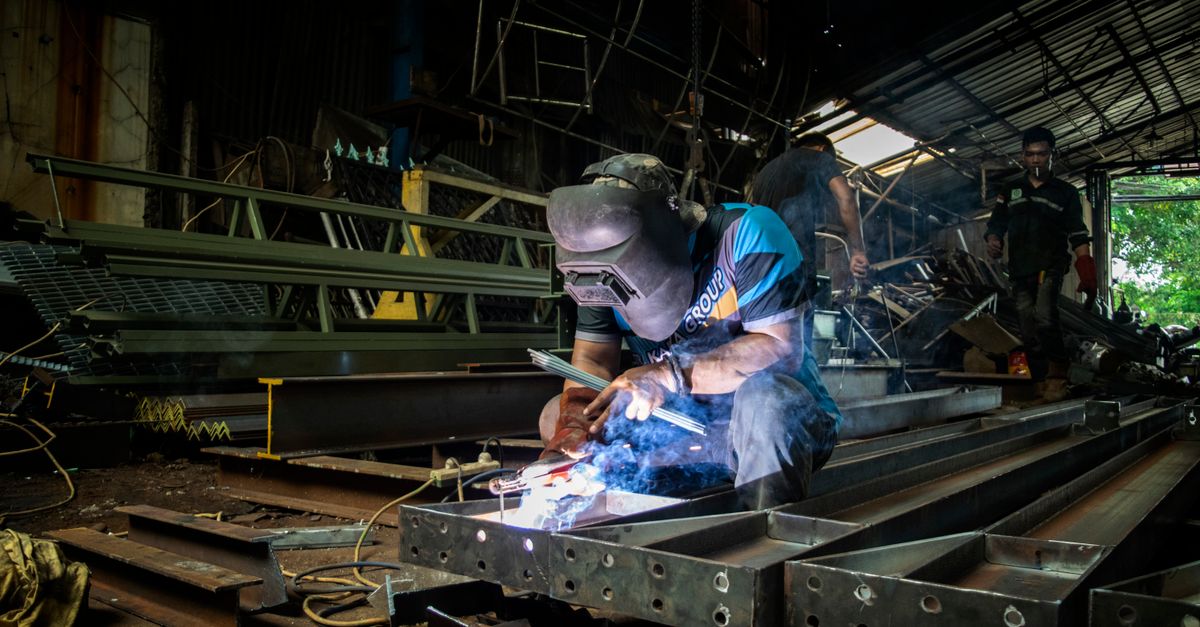
Traditional fabrication methods can struggle with complicated designs due to their reliance on manual skills and techniques. Processes such as welding or bending often require simpler shapes to ensure structural integrity and ease of manufacture. As a result, engineers may need to compromise on design intentions, which can stifle creativity and limit the potential for unique product development. Embracing CNC technology opens up new avenues for creativity and efficiency in design execution.
Handling Intricate Designs with Different Methods
CNC machining excels in managing intricate designs due to its high precision and flexibility. Advanced software programmes can easily translate complex CAD models into detailed machining instructions. This capability allows for the creation of sophisticated geometries and tight tolerances that are often challenging to achieve with traditional fabrication methods. Machinists can produce intricate parts with repeatable accuracy, making CNC machining ideal for projects requiring high detail.
On the other hand, traditional fabrication methods may struggle with complexities beyond a certain threshold. Techniques such as manual machining or welding can limit the precision and intricacy of the designs. Craftsmanship plays a significant role in achieving detailed outcomes, and the skills of the operator determine the final product's quality. While traditional methods can create beautiful and compelling designs, they often involve more labour-intensive processes and may not guarantee the same level of precision consistently.
Setup and Setup Time
Initial setup for CNC machining involves programming the computer and calibrating the machines to ensure precision. Detailed designs often require more extensive preparation to create the necessary tool paths. This step can be time-consuming but facilitates high levels of accuracy in the finished product. Once the setup is complete, the machines can operate frequently without the need for constant supervision.
In contrast, traditional fabrication methods might require manual adjustment and significant labour input at the beginning of a project. Workshops often need to change tools and settings for different tasks, increasing the time spent in setup. While these methods can be flexible in handling various projects, frequent alterations during production lead to lower efficiency. Each technique's setup time critically impacts productivity and overall project timelines.
Initial Setup Requirements for Each Method
The setup requirements for CNC machining typically involve a well-defined process, where precision and efficiency are paramount. Initially, operators must programme the CNC machine with the specific design file, which often requires software that can translate CAD files into machine language. Appropriate tooling must be selected based on the material and desired finish, and the machine must be calibrated for accuracy. This process can be meticulous, as any errors in setup can lead to wasted materials and increased costs.
In contrast, traditional fabrication methods may require a different approach to setup. Techniques like welding, machining, or manual assembly often demand skilled labour for the preparation of tools and equipment. The setup may include jigs, fixtures, or manual adjustments to align parts before beginning the fabrication process. While traditional setups allow for flexibility, they can also be time-consuming, particularly in making adjustments for complex designs. The human element plays a crucial role in ensuring each component is correctly positioned and prepared for work.
FAQS
What are the main cost differences between CNC machining and traditional fabrication methods?
CNC machining often involves higher upfront costs due to equipment and software, while traditional fabrication methods may have lower initial investments but can accrue higher costs over time due to labour and material waste.
Can CNC machining handle complex designs better than traditional fabrication?
Yes, CNC machining is generally more adept at managing intricate designs, as it utilises computer-controlled precision that allows for greater detail and complexity compared to traditional methods.
How does the setup time compare between CNC machining and traditional fabrication?
CNC machining typically requires a longer initial setup time due to programming and calibration, whereas traditional fabrication can sometimes be faster to set up, especially for simpler projects.
Are there any specific industries that benefit more from CNC machining over traditional fabrication?
Industries such as aerospace, automotive, and medical often benefit significantly from CNC machining due to its ability to produce highly precise components that meet stringent regulatory standards.
Is it possible to combine CNC machining with traditional fabrication methods?
Yes, many manufacturers employ a hybrid approach, leveraging the strengths of both CNC machining and traditional fabrication to optimise production efficiency and quality for specific projects.
Related Links
Best Practices for CNC Machining in Perth's Metal IndustryExploring Precision CNC Machining Techniques for Metal Parts
Essential Tools and Software for Effective CNC Machining
Common Challenges in CNC Machining and How to Overcome Them
Understanding CNC Machining Setup and Process Optimization
The Future of CNC Machining in Custom Metal Fabrication
Innovations in CNC Machining Technology for Custom Fabrication
Factors Affecting CNC Machining Tolerances in Metal Customization