An Overview of Powder Coating in Custom Metal Fabrication
Table Of Contents
Equipment Used in Powder Coating
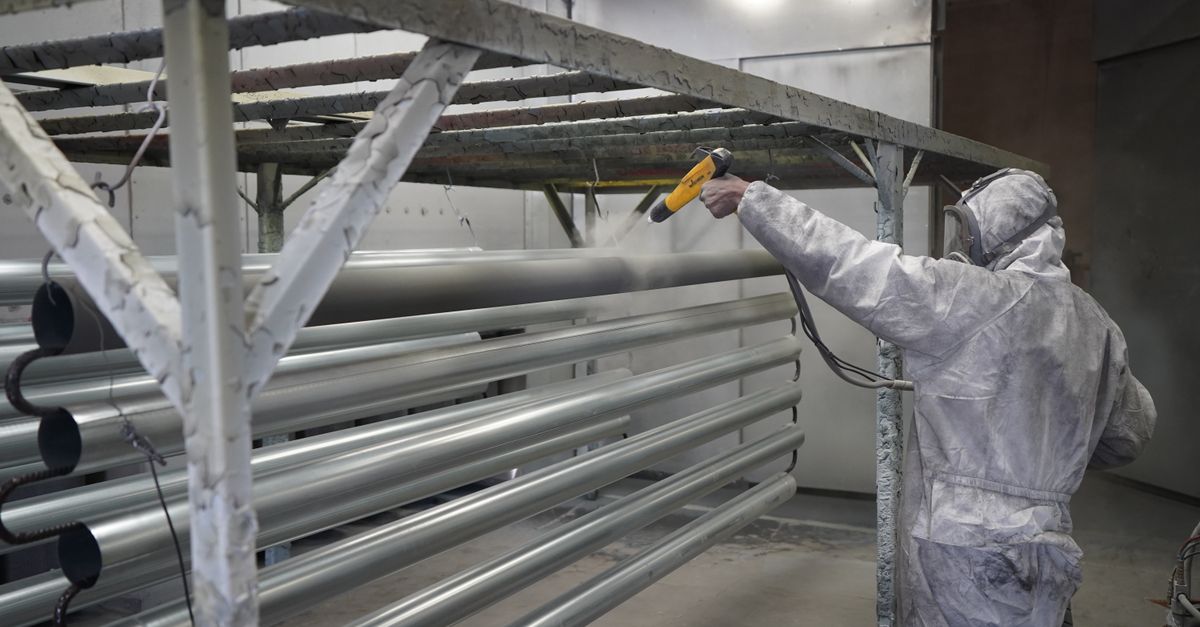
The process of powder coating relies heavily on specialised equipment designed to ensure an efficient and high-quality finish. At the heart of the operation are the spray guns, which apply a dry powder to the surface of the metal substrate. These guns utilise a high-voltage electrostatic charge to attract the powder particles, allowing for even coverage and minimising waste. The type of spray gun selected can significantly impact the application process, with options available for manual or automatic operation depending on the scale of the project.
Once the powder has been applied, curing ovens play a crucial role in the process. These ovens heat the coated items to a specific temperature, typically between 160°C and 200°C, facilitating the melting and bonding of the powder to the metal surface. Uniform heating is essential to achieve a durable finish, and various types of ovens, including batch or conveyor systems, are available to suit different production needs. Proper maintenance of both spray guns and ovens is vital to ensure efficiency and consistency in the powder coating process.
Overview of Spray Guns and Ovens
Spray guns are critical tools in the powder coating process, enabling the even application of powdered paint onto various surfaces. These guns utilize a combination of fluid and air to atomise the powder, ensuring a uniform coating that adheres well to the metal substrate. Different types of spray guns, including electrostatic models, enhance the efficiency of the process by charging the powder particles. This charge helps to improve coverage and reduces waste by attracting the powder to the surface being coated.
Ovens play a pivotal role in the curing phase of powder coating. Once the powder is applied, items are placed in a curing oven where heat causes the powder to melt and flow into a smooth, durable finish. The temperature and duration of the curing process are essential for achieving optimal results, as they influence the final hardness and adhesion of the coating. Ovens can vary in size and design, some being specifically engineered for high-volume production while others are more versatile for smaller operations.
Common Applications of Powder Coating
The versatility of powder coating makes it suitable for a wide range of applications across various industries. It is commonly employed in the automotive sector for parts such as wheels, bumpers, and chassis components, where durability and finish are critical. Additionally, consumer goods like appliances and furniture frequently utilise powder coating to enhance both aesthetics and resistance to wear. Its application in the manufacturing of outdoor products, including garden furniture and playground equipment, further highlights its protective qualities.
In architecture, powder coating finds use in aluminium window frames, doors, and exterior cladding, delivering both functional protection against the elements and a pleasing appearance. The technology has also gained traction in the electrical industry for coating components, ensuring insulation and corrosion resistance. With its growing popularity, powder coating continues to expand into new markets, meeting the demands for durable and environmentally friendly finishes.
Industries That Benefit from Powder Coating
Manufacturers in the automotive industry frequently utilise powder coating for its durability and resistance to chipping and scratching. This technique not only provides a tough finish but also enhances the appearance of various components, including wheels, frames, and trim. With a wide range of colours and textures available, automotive parts can be customised to meet specific design requirements while maintaining a high level of protection against environmental wear.
The appliance sector also sees significant advantages from powder coating. Kitchen and laundry appliances that undergo this finishing process are less prone to corrosion and provide a smooth, easy-to-clean surface. Moreover, the ability to apply a premium finish with minimal environmental impact aligns with the industry’s shift towards sustainable manufacturing practices, making powder coating an attractive option for appliance producers looking to combine aesthetics with functionality.
Environmental Impact of Powder Coating
The environmental impact of powder coating is largely positive when compared to traditional liquid coatings. One of the most significant benefits is a reduction in volatile organic compounds (VOCs). This decrease in emissions contributes to improved air quality and is especially crucial in industrial environments where workers are exposed to harmful chemicals. Additionally, powder coating generates minimal waste due to the ability to reclaim overspray materials. This characteristic not only aids in resource conservation but also limits the amount of debris sent to landfills.
Moreover, the longevity and durability of powder coatings contribute to a decrease in the frequency of repaints and refurbishments. This durability reduces the overall resource consumption and energy used in manufacturing and applying coatings. Companies utilizing powder coating processes can align their practices with sustainability goals while offering competitive, long-lasting finishes. The shift towards powder coating is a step towards embracing more environmentally friendly practices in the metal fabrication industry.
Low Volatile Organic Compounds (VOCs)
The use of powder coating offers significant environmental advantages compared to traditional liquid coatings, particularly regarding the emission of volatile organic compounds (VOCs). Powder coatings are formulated without solvents, resulting in negligible VOC emissions during application. This feature makes powder coating processes much cleaner, contributing to improved air quality and reduced pollution levels.
Additionally, lower VOC content aligns with growing regulatory standards aimed at minimizing harmful emissions. Many industries are increasingly seeking sustainable alternatives to comply with environmental guidelines. By adopting powder coating, businesses can not only enhance their product finishes but also fulfil their environmental responsibilities effectively.
FAQS
What is powder coating?
Powder coating is a dry finishing process that uses finely ground particles of pigment and resin, which are electrostatically charged and sprayed onto metal surfaces. The coated items are then heated in an oven, where the powder melts and forms a durable, protective finish.
What equipment is needed for powder coating?
The essential equipment for powder coating includes spray guns for applying the powder, ovens for curing the coated items, and a powder recovery system to collect any overspray. Additionally, surface preparation tools are important to ensure proper adhesion.
What industries commonly use powder coating?
Powder coating is widely used in various industries, including automotive, furniture, architecture, and appliances. It is popular for its durability, aesthetic appeal, and resistance to corrosion and wear.
How does powder coating impact the environment?
Powder coating has a lower environmental impact compared to traditional liquid coatings, primarily due to its low levels of volatile organic compounds (VOCs). This makes it a more environmentally friendly option, as it reduces air pollution and hazardous waste.
Are there any health risks associated with powder coating?
While powder coating is generally safer than liquid coatings, proper safety measures should still be taken. Workers should use personal protective equipment (PPE) to avoid inhalation of powder particles and skin contact, and ensure adequate ventilation in the workspace.
Related Links
Custom Metal Finishing: Tailoring Solutions to Industry RequirementsEconomical Surface Treatment Options for Small-Scale Metal Projects
The Role of Surface Treatments in Corrosion Prevention for Metal Fabrication
Eco-Friendly Surface Treatment Solutions for Sustainable Metal Fabrication
Comparing Traditional and Modern Surface Treatment Methods for Metal