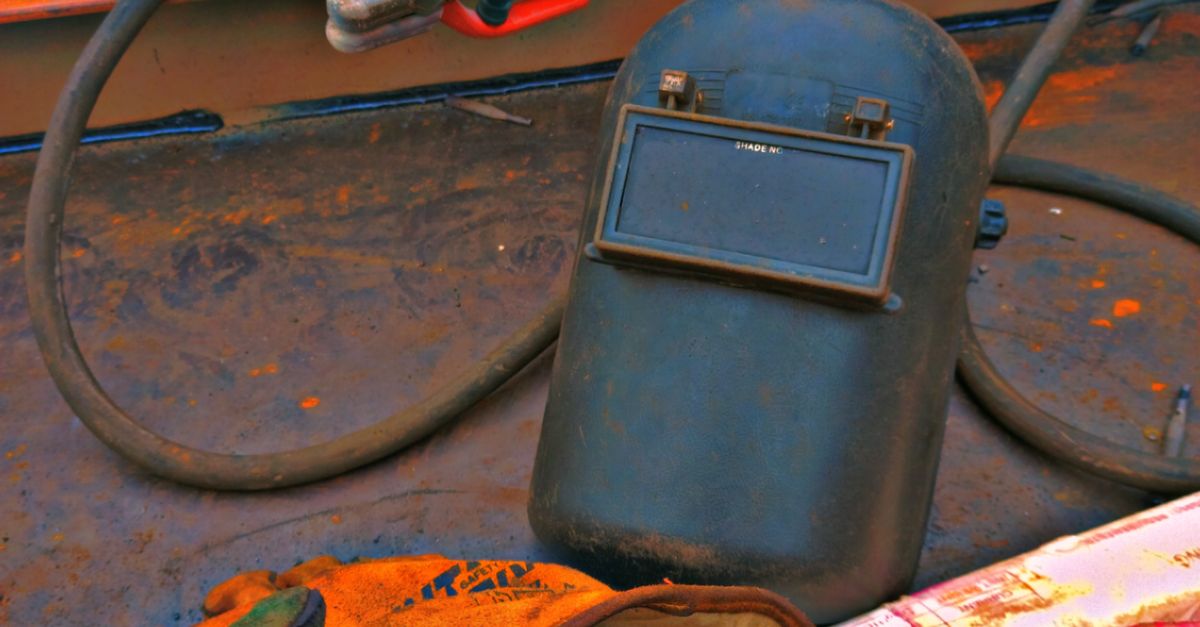
Achieving Superior Quality with Electropolishing Techniques in Perth
Table Of Contents
Electropolishing vs. Traditional Polishing
Electropolishing offers distinct advantages over traditional polishing methods. While traditional polishing relies on abrasive materials to achieve a smooth finish, electropolishing utilises an electrochemical process that removes surface imperfections without the risk of microscopic scratches. This technique results in a consistently uniform surface, enhancing both aesthetic and functional qualities. Materials that undergo electropolishing exhibit increased corrosion resistance, which is crucial in industries such as food processing and pharmaceuticals, where hygiene is paramount.
In contrast, traditional polishing can sometimes be less effective in reaching intricate geometries or complex shapes. The manual nature of traditional methods may lead to inconsistencies in the final finish, especially when applied to large or complex components. Furthermore, electropolishing can improve the overall longevity of the material by maintaining its mechanical properties while producing a brighter and smoother surface. This method also minimises the need for additional post-polishing treatments, making it a more efficient option for achieving superior quality results.
Comparing Techniques for Superior Results
Electropolishing stands out among metal finishing techniques due to its ability to enhance both the aesthetic and functional properties of components. Unlike traditional polishing, which relies on mechanical methods to achieve a smooth surface, electropolishing employs an electrochemical process that removes material from the workpiece. This method not only eliminates surface imperfections effectively but also reduces the likelihood of corrosion by creating a passivated finish. The uniform nature of the electropolished surface allows for improved cleanliness, which is particularly advantageous in industries such as food processing and pharmaceuticals where hygiene is paramount.
In contrast, conventional polishing methods can often leave behind micro-scratches or inconsistencies that can affect the performance of the final product. While traditional polishing techniques may provide immediate shine, they may not address underlying metal properties comprehensively. Electropolishing, however, ensures a consistent polish throughout the entire surface area, leading to superior results that enhance both visual appeal and durability. This makes electropolishing a preferred choice for manufacturers aiming for high-quality finishes that meet stringent industry standards.
Quality Control in Electropolishing
Maintaining high standards in electropolishing requires meticulous attention to the processes involved. Operators must closely monitor key variables such as temperature and chemical concentration throughout the electropolishing cycle. Each batch must undergo thorough testing to ensure that the surface finish meets specified criteria. This level of scrutiny helps identify potential inconsistencies early on, allowing for adjustments before the final product is delivered.
Incorporating advanced technology into quality control measures significantly enhances the reliability of results. Utilising methods like laser scanning can accurately measure surface topography and highlight defects that may not be visible to the naked eye. Regular calibration and maintenance of equipment also play a crucial role in sustaining precision. By embracing these practices, electropolishing facilities can guarantee that they consistently produce components of exceptional quality, meeting the rigorous demands of various industries.
Ensuring Consistency and Precision in Results
The use of advanced equipment and techniques plays a crucial role in achieving uniform results in electropolishing. Automated systems help regulate parameters such as temperature, voltage, and chemical composition, ensuring that each piece undergoes the same process for optimal surface finish. This level of control minimises human error and variance, resulting in consistent outcomes across multiple batches.
Regular monitoring and quality assurance protocols further enhance the precision of electropolishing services. Skilled technicians perform inspections at various stages of the process to identify potential issues early. By adhering to strict guidelines and employing precise measurements, businesses can deliver parts with the desired aesthetic and functional qualities, meeting stringent industry standards.
Environmental Impact of Electropolishing
The electropolishing process has gained recognition for its reduced environmental footprint compared to traditional polishing methods. Minimal waste is generated during the electropolishing procedure since the metal removal occurs uniformly and precisely. This controlled approach leads to less material loss and diminished exposure to harmful chemicals commonly used in other polishing techniques. The elimination of abrasive media further contributes to a cleaner process, translating to lower risks of pollution.
Moreover, many electropolishing service providers in Perth are increasingly adopting sustainable practices. The use of water-based electrolytes and recycling systems helps to minimise wastewater generation. Implementing advanced technology and renewable energy sources enhances the overall sustainability of the electropolishing operation. Continuous innovations in this field reflect a growing commitment to environmental responsibility while delivering superior quality finishes.
Sustainable Practices in Electropolishing Services
Electropolishing services can incorporate various sustainable practices that significantly reduce environmental impact. The process often uses environmentally friendly cleaning agents and methods that limit the release of harmful substances into the environment. By utilising closed-loop systems, facilities can recycle and reuse the electrolyte solution, minimising waste generation and ensuring that chemical discharge is kept to a minimum.
In addition to chemical practices, energy efficiency is a key consideration in sustainable electropolishing. Many businesses are adopting modern equipment designed to consume less energy while maintaining high performance. Implementing renewable energy sources, such as solar panels, further enhances the sustainability of operations. These combined efforts contribute to a more responsible approach to manufacturing, reflecting a growing commitment to environmental stewardship in the industry.
FAQS
What is electropolishing and how does it differ from traditional polishing?
Electropolishing is an electrochemical process that removes a thin layer of material from a metallic surface to enhance its finish and improve corrosion resistance. Unlike traditional polishing, which relies on mechanical abrasion, electropolishing provides a smoother and more uniform surface by using an electrolyte solution.
What are the advantages of electropolishing over traditional polishing methods?
Electropolishing offers several advantages including superior surface finish, improved corrosion resistance, and the ability to reach intricate geometries that might be difficult with traditional polishing. Additionally, it results in minimal material removal, preserving the dimensions of the part.
How is quality control maintained in electropolishing processes?
Quality control in electropolishing is maintained through rigorous monitoring of the process parameters, including temperature, voltage, and electrolyte composition. Regular inspections and testing of the finished products ensure consistency and precision in results.
Are there any environmental concerns associated with electropolishing?
While electropolishing involves the use of chemicals, many modern practices focus on minimising environmental impact. Sustainable practices, such as recycling chemicals and using eco-friendly electrolytes, are increasingly being adopted in electropolishing services.
Can electropolishing be used on all types of metals?
Electropolishing is most commonly used on stainless steel, but it can also be effectively applied to other metals such as aluminium and titanium. However, the suitability of electropolishing may vary depending on the specific metal and its properties.
Related Links
An Overview of Common Surface Finishing Methods in Custom Metal FabricationInnovations in Abrasive Finishing Techniques for Custom Projects
The Importance of Surface Preparation in Metal Fabrication
Best Practices for Achieving Mirror Finishes in Metalwork
Exploring the Advantages of Electroplating for Corrosion Resistance
Optimising Metal Aesthetics through Chemical Finishing Processes
The Benefits of Blasting Techniques for Metal Surface Preparation
Understanding Powder Coating Applications for Custom Metal Projects
The Role of Anodising in Enhancing Metal Durability